Benefits of Plants: Research on Human Issues in Horticulture 

Selected information from our studies on the effects of plants on people

Virginia I. Lohr and Caroline H. Pearson-Mims
Dept. of Horticulture and Landscape Architecture 
Washington State University


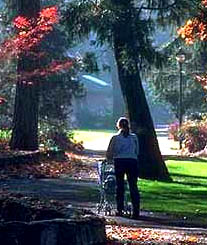
Adult and child in urban forest
  • Tree canopy colors  - People have strong responses to a range of tree colors, varying in hue and intensity, and respond most positively to green trees.
  • Human responses to tree forms - Humans feel better when viewing trees rather than inanimate objects, and the response is magnified when the tree has a spreading form.
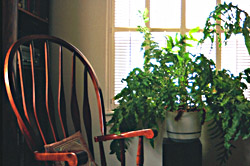
Phelbodium aureum (fern) and a rocking chair (Lohr)


VideoThe Civilizing Nature of Plants.  This video is an Extension Engaged talk that Virginia Lohr presented on April 9, 2004.  View on RealPlayer - or - View on WindowsMedia
Summary:  People have always known that plants provide us food. This is essential for our survival. Plants also provide fibers for clothing, materials for buildings, and chemicals for medicines. The value of these tangible products can be easily appreciated. What is not so well known is that plants also produce a wide range of intangible effects on people. For example, plants calm us, reduce stress, increase pain tolerance, and speed recovery from illnesses. They also improve mental functioning in children and reduce domestic violence. In short, plants make us better, more civil people.


For information about this program or to help support this program, contact:

Virginia Lohr (E-mail Dr. Lohr
Caroline H. Pearson-Mims (E-mail Ms. Pearson-Mims )
Department of Horticulture and Landscape Architecture
Washington State University
Pullman, Washington 99164-6414 U.S.A.
WSU's Disclaimer & Freedom of Expression Policy


Updated June 24, 2008