Note: This is intended as a guide, but it may not cover everything. Material not listed here might appear on the exam. The notes you took in class should be your best guide.
Check the American Author pages at http://www.wsu.edu/~campbelld/amlit/aufram.html for other resources.
Exam 2 will be held in our usual room on Friday, December 14, 2012, from 1:00-3:00 p.m.
The second examination will resemble the first one in format. It will be designed to take no more than 75 minutes (although you can have the full 2 hours) and will consist of multiple choice questions, identification questions, a passage to explicate, or some combination of the three in addition to an essay. The first part(s) may include characters or places from the novels, quotations, or some of the terms and ideas discussed in class.
The second exam will cover work completed in the second half of the course; there will not be identification questions on earlier works. However, if you want to discuss characters from earlier novels in your essay, you should feel free to do so.
Your class notes will be the best guide to preparing for this exam.
I. Works Covered
- Mark Twain, Pudd'nhead Wilson (1894)
- James Weldon Johnson, The Autobiography of an Ex-Colored Man
- Frank Norris, McTeague (1899) and critical readings. You do not need to know these in detail or be able to cite the authors, but you should be able to discuss the general ideas as they were presented by your classmates in class.
- Edith Wharton, The House of Mirth (1905).
- Greed, (1924; dir. Erich von Stroheim) (general information)
- Information from reports and lectures
II. Terms and ideas
- "one drop" rule and 19th-century terms for mixed-race individuals
- realism
- naturalism
- signifying
- passing
- cakewalk
- ragtime
- double consciousness
- conspicuous consumption
- minstrelsy
- "the race question"
- the Talented Tenth
- Information about Edith Wharton and Frank Norris
- information from presentations
III. Possibilities for essay questions
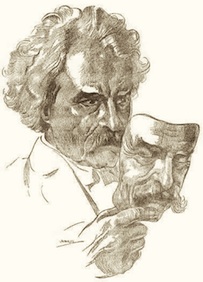
- Disguise and exchange of identity: in what ways are these characters "behind a mask"?
- Social order: law, justice, and social customs. In what ways do certain works protest an unjust social or legal system?
- Compare Lily Bart as a character with another female character, such as Roxy, Zenobia, or Trina. What social expectations govern their actions, and how do they attempt to break free?
- Relationship between the body and identity; the constitution of the self through culture; how identity is or is not situated in the body; how traits are signified by identifying physical features.
- Relationships between objects and their representation; the symbolic nature of objects; the transition from a culture in which objects or concepts of value are valued for themselves and one in which they are represented by pieces of paper
- The rise and fall of characters in realism and naturalism
- The role of gender in these works: how is it defined? What does the representation of women say about nineteenth-century conceptions of their nature?
- The function of a particular character in embodying a theme, facilitating the plot, or providing a structure. Example: What is the function of Rosedale in The House of Mirth, and in what ways is he essential to its themes?
- Wealth, greed, and the passion for collecting or possessing objects
- Ethnic or racial identity and the confirmation of or rejection of stereotypes
- Freedom of choice, responsibility, and fate: are McTeague and Lily Bart responsible for what happens to them?
- The role of the spectator; the spectator as artist or collector; the spectator as embodying a point of view
- Role of money or race in determining the characters' fate. Example: Gambling plays an important role in The Autobiography of an Ex-Colored Man and The House of Mirth. In what ways does the character's inclination to gamble at cards or other games of chance relate to his or her attempt to establish an identity?
